Uninhabited
CastleSommerschenburg
Sommerschenburg Castle
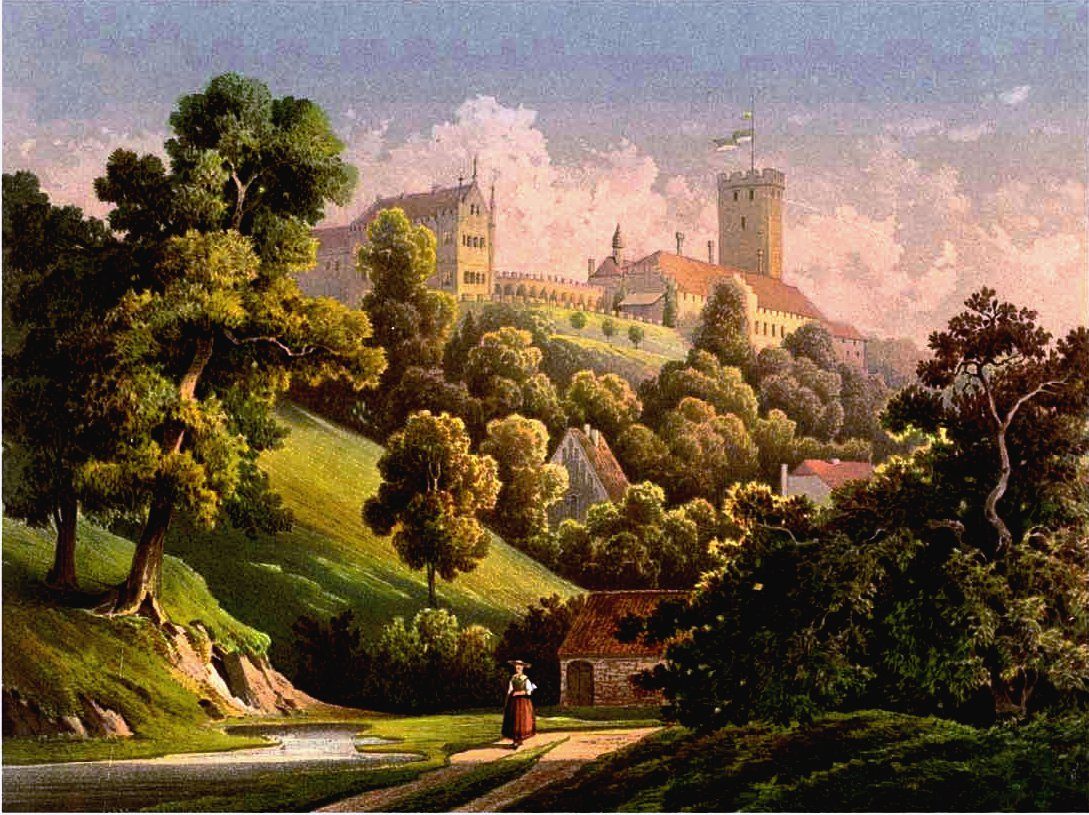
The linear village, first mentioned in 983, originally consisted of castle workers, some craftsmen, and tradespeople. In 1056, the castle is mentioned as being in the possession of Lothar von Walbeck. In 1088, ownership transferred to the Counts of Sommersenburg. In 1192, the castle was destroyed and subsequently rebuilt. In 1208, ownership transferred to the Archbishopric of Magdeburg. In 1626, the castle was destroyed during the Thirty Years' War and subsequently rebuilt. In 1680, the castle came into Brandenburgian possession and became an electoral domain and official seat for the surrounding villages. By order of the Prussian King Frederick II, houses for colonists were built in 1770. In 1807, ownership transferred to Jean Marie René Savary, Duke of Rovigo. On November 11, 1814, the Prussian field marshal August Wilhelm Anton Graf Neidhardt von Gneisenau (1760-1831) received the castle. In addition to this endowment, King Frederick William III bestowed upon him the title of Count for his services in the Battle of the Nations near Leipzig. The visible part of Sommerschenburg today was built between 1895 and 1897. The conversion into a castle was carried out by the architect Doberentz, incorporating Gothic and Renaissance elements. The facade is characterized by an open staircase, verandas, and gables. In 1945, the owners were forcibly dispossessed and expelled by the communists.
Before 1989, the "Gneisenau Castle" housed the polytechnic secondary school. Meanwhile, the castle has changed hands several times and is increasingly falling into disrepair.
Take Mobile History with you
You are reading this text for free. Premium adds what matters on the road: descriptions read aloud, sites found through your camera, whole regions taken offline.
- Every description, including the ~17,700 Premium sites
- Audio guide: have descriptions read to you on location
- AR finder: see sites through your camera, with distance and bearing
- Unlimited saved sites
14 days free, then from €2.99 a month. Cancel anytime.
Source: Wikipedia · Licence: CC BY-SA 4.0 · Image: Theodor Albert (1822-1867), Alexander Duncker (1813-1897) / Public domain via Wikimedia Commons
This description draws on the facts documented in the linked Wikipedia article; Wikipedia content is licensed under CC BY-SA 4.0. Wording and editing: Mobile History.
Location: 52.1694, 11.0988