To be privately owned
CastleBeverstedt - Osterndorf
Osterndorf Castle
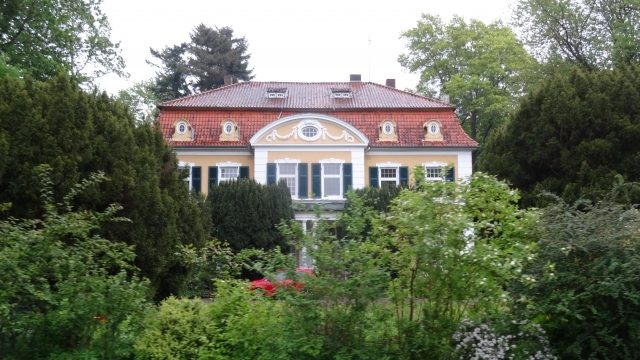
The Historic Building: A Journey Through Time+
From Manor to Museum: The History of the Building+
The historic building, a former manor house, has a rich and varied history. Originally built in the the 18th century, it served as a residence for various noble families. Over the centuries, it underwent several transformations, reflecting the changing architectural styles and needs of its inhabitants.
The Early Years: A Noble Residence
In its early days, the manor house was a symbol of wealth and status. Its grand halls and opulent rooms hosted lavish balls and gatherings, and its extensive grounds provided ample space for hunting and recreation. The building's architecture, characterized by its elegant facade and intricate details, was a testament to the craftsmanship of the era.
The 19th Century: A Period of Change
The 19th century brought significant changes to the manor house. With the decline of the aristocracy, the building changed hands several times, each new owner leaving their mark on its structure and design. Some additions were made, such as a new wing and a conservatory, while other parts were renovated to suit contemporary tastes.
The 20th Century: A New Purpose
In the 20th century, the manor house found a new purpose. It was acquired by the municipality and converted into a public institution. After extensive renovations, it reopened its doors as a museum, showcasing the history of the region and its people. The museum's collection includes artifacts from various periods, providing visitors with a glimpse into the past.
Architecture and Design: A Blend of Styles+
The historic building is a fascinating blend of architectural styles, reflecting its long and complex history. From its Baroque foundations to its neoclassical additions, every part of the building tells a story. The interior is equally diverse, with rooms decorated in various styles, from the ornate Rococo to the more restrained Biedermeier.
The Exterior: A Harmonious Ensemble
The exterior of the building is a harmonious ensemble of different architectural elements. The main facade, with its symmetrical design and decorative details, is a prime example of Baroque architecture. The side wings, added in the 19th century, feature neoclassical elements, such as Doric columns and triangular pediments. The overall impression is one of elegance and grandeur.
The Interior: A Journey Through Time
The interior of the building is a journey through time, with each room representing a different period in its history. The grand ballroom, with its high ceilings and elaborate frescoes, is a testament to the opulence of the Baroque era. The library, with its dark wood paneling and leather-bound books, evokes the scholarly atmosphere of the 19th century. The private chambers, furnished with period furniture and artworks, offer a glimpse into the daily lives of the manor's former inhabitants.
The Museum Today: A Cultural Landmark+
Today, the historic building stands as a cultural landmark, attracting visitors from all over the world. The museum offers a wide range of exhibitions and educational programs, catering to all ages and interests. It is a place where history comes alive, where visitors can learn about the past and connect with their heritage.
Exhibitions and Collections: A Rich Tapestry of History
The museum's exhibitions and collections cover a wide range of topics, from the prehistoric era to the present day. Highlights include archaeological finds, historical documents, traditional costumes, and local artworks. Special exhibitions are regularly organized, focusing on specific themes or artists. The museum also houses a research library, providing resources for scholars and students.
Educational Programs: Engaging with the Past
The museum offers a variety of educational programs, designed to engage visitors with the past. These include guided tours, workshops, lectures, and interactive displays. School programs are also available, providing students with a hands-on learning experience. The museum's goal is to make history accessible and enjoyable for everyone.
The Manor House: Home and Studio of the Painter Carl Vinnen+
The manor house was the home and studio of the painter Carl Vinnen (1863-1922).
Take Mobile History with you
You are reading this text for free. Premium adds what matters on the road: descriptions read aloud, sites found through your camera, whole regions taken offline.
- Every description, including the ~17,700 Premium sites
- Audio guide: have descriptions read to you on location
- AR finder: see sites through your camera, with distance and bearing
- Unlimited saved sites
14 days free, then from €2.99 a month. Cancel anytime.
Location: 53.4419, 8.8336