Training center for Christian missionary work
CastleHurlach
Hurlach Castle
The Historic Building: A Journey Through Time+
From Renaissance to Modernity: The Architectural Evolution+
The Foundation and Early Years (17th - 18th Century)
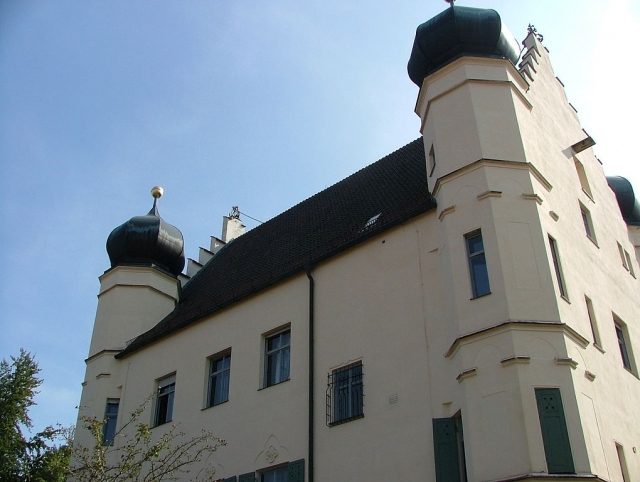
The castle was built in 1610 by Max Fugger zu Kirchberg und Weißenhorn. In 1899, it underwent a renovation.
Baroque Splendor and Rococo Charm (18th Century)
During the 18th century, the building experienced significant changes, particularly under the influence of the Baroque and Rococo styles. Expansions and interior redesigns transformed the castle into a representative residence that reflected the artistic and cultural trends of its time.
Industrialization and Structural Changes (19th Century)
The 19th century brought new challenges and opportunities. The industrial revolution and changing social structures also left their mark on the historic building. Adaptations were made to meet new functional requirements, while efforts were made to preserve the historical substance.
The 20th Century: Wars, Reconstruction, and Preservation
The 20th century was characterized by turbulent events. Both world wars caused considerable damage, but the building was painstakingly rebuilt. In the post-war period, the focus was increasingly on the preservation of historical monuments and the careful restoration of the building.
Architecture and Art History: A Closer Look+
Architectural Features and Style Elements
The building combines various architectural styles, reflecting its long history. From Renaissance elements to Baroque opulence and Rococo lightness, numerous stylistic features can be discovered that bear witness to the respective eras.
Significant Artists and Craftsmen
Over the centuries, numerous renowned artists and skilled craftsmen contributed to the design and embellishment of the building. Their works, from frescoes and stucco to wood carvings and wrought iron, are still impressive today and tell stories of artistic mastery.
Interior Design and Furnishings
The interior of the building is a treasure trove of art and history. Historical furnishings, valuable paintings, and exquisite decorative objects provide insights into the living culture of past epochs. Each room tells its own story and invites visitors to linger and marvel.
The Building Today: Museum, Cultural Center, and Landmark+
Current Use and Cultural Significance
Today, the historic building serves as a vibrant cultural center. It houses a museum that presents the history of the building and the region, as well as exhibition spaces for contemporary art. It is a place of encounter and exchange that attracts visitors from all over the world.
Visitor Information and Guided Tours
The building is open to the public and offers a variety of guided tours that provide deeper insights into its history and architecture. Special programs for children and educational events make the visit an unforgettable experience for all age groups.
Future Prospects and Preservation Efforts
The preservation of this unique historical monument is a continuous task. Extensive restoration projects and ongoing maintenance work ensure that the building will continue to be preserved for future generations. It remains a living testimony to history and a source of inspiration.
Take Mobile History with you
You are reading this text for free. Premium adds what matters on the road: descriptions read aloud, sites found through your camera, whole regions taken offline.
- Every description, including the ~17,700 Premium sites
- Audio guide: have descriptions read to you on location
- AR finder: see sites through your camera, with distance and bearing
- Unlimited saved sites
14 days free, then from €2.99 a month. Cancel anytime.
Source: Wikipedia · Licence: CC BY-SA 4.0
This description draws on the facts documented in the linked Wikipedia article; Wikipedia content is licensed under CC BY-SA 4.0. Wording and editing: Mobile History.
Location: 48.1177, 10.8108