To be privately owned
CastleGrafenaschau
Grafenaschau Castle
The History of the Castle+
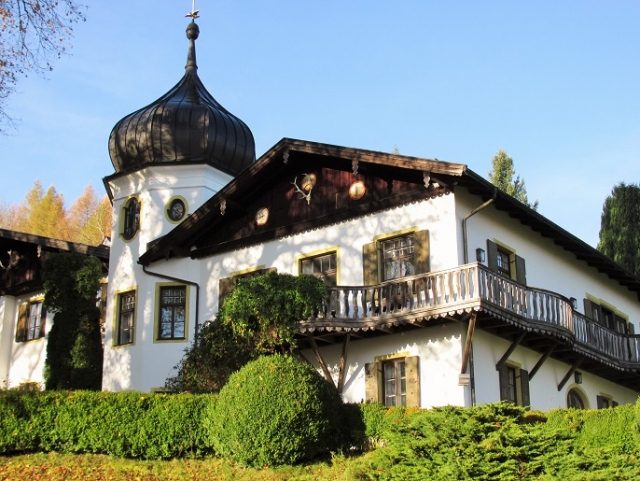
The castle was built in 1909-12 by Emanuel von Seidl on the foundations of an older castle.
From the Middle Ages to the Renaissance+
The first documented mention of a fortified complex at this location dates back to the 12th century. It was a strategically important outpost that protected trade routes.
During the Renaissance, the fortress was converted into a residential castle. Magnificent halls and representative rooms were added, reflecting the wealth and influence of the then ruling noble family.
Baroque and Decline+
In the Baroque period, further modifications were made, but the castle gradually lost its strategic importance. It served primarily as an administrative center and occasional residence.
Over the centuries, the building suffered from various wars and a lack of maintenance. By the 19th century, it was largely dilapidated and only partially habitable.
Reconstruction and Modern Era+
At the beginning of the 20th century, the castle was acquired by a wealthy industrialist family. They commissioned the renowned architect Emanuel von Seidl to rebuild the castle.
Seidl managed to combine historical elements with modern comfort. The castle was restored to its former glory and equipped with state-of-the-art technology for its time.
Architectural Features+
The castle is a prime example of historicist architecture, combining elements from various epochs.
Exterior Architecture+
The exterior is characterized by its imposing towers, battlements, and a picturesque courtyard. The facade is adorned with intricate stone carvings and decorative elements.
Particular attention was paid to the integration into the surrounding landscape. The castle blends harmoniously with the hills and forests.
Interior Design+
Inside, visitors are greeted by magnificent halls, richly decorated ceilings, and historical furniture. Each room tells its own story and reflects the taste of its former inhabitants.
The grand ballroom, the library, and the private chambers of the noble family are particularly impressive.
The Castle Today+
Today, the castle is a popular destination for tourists and a venue for cultural events.
Museum and Exhibitions+
A large part of the castle houses a museum that showcases the history of the building and the region. Regular special exhibitions present various aspects of art and culture.
Visitors can explore the historical rooms and learn more about the life of the former inhabitants.
Events and Conferences+
The castle also serves as a unique venue for weddings, conferences, and other events. The historical ambiance provides an unforgettable setting for any occasion.
Various rooms and halls can be rented, offering space for both small gatherings and large celebrations.
Gardens and Parks+
The castle is surrounded by extensive gardens and parks that invite visitors to stroll and relax. The meticulously maintained grounds offer breathtaking views of the castle and the surrounding nature.
Seasonal flowerbeds, ancient trees, and tranquil ponds create an idyllic atmosphere.
Take Mobile History with you
You are reading this text for free. Premium adds what matters on the road: descriptions read aloud, sites found through your camera, whole regions taken offline.
- Every description, including the ~17,700 Premium sites
- Audio guide: have descriptions read to you on location
- AR finder: see sites through your camera, with distance and bearing
- Unlimited saved sites
14 days free, then from €2.99 a month. Cancel anytime.
Source: Wikipedia · Licence: CC BY-SA 4.0 · Image: hubi1802
This description draws on the facts documented in the linked Wikipedia article; Wikipedia content is licensed under CC BY-SA 4.0. Wording and editing: Mobile History.
Location: 47.6448, 11.1100