Hotel
Restaurant
CastleFriedewald
Friedewald Castle
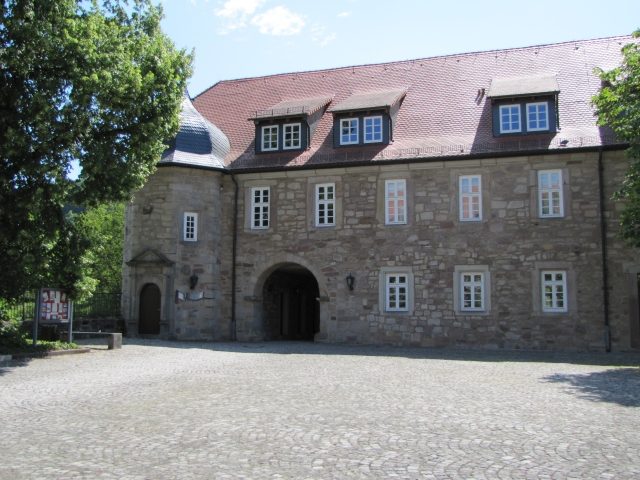
The Historic Building: A Journey Through Time+
From Medieval Fortress to Modern Landmark+
The historic building, a majestic edifice with a rich and storied past, stands as a testament to centuries of architectural evolution and human endeavor. Its foundations were laid in an era of knights and castles, and over time, it has transformed, reflecting the tastes and technologies of successive generations.
Early Beginnings: The 13th Century Fortress
A predecessor building of the castle was constructed in the 13th century by the Landgraves of Hesse.
This initial structure served primarily as a defensive stronghold, strategically positioned to guard important trade routes and assert regional power. Its thick stone walls and formidable towers were characteristic of medieval military architecture, designed to withstand sieges and protect its inhabitants.
Renaissance and Baroque Transformations
As the centuries progressed and the need for purely defensive structures diminished, the building underwent significant transformations. During the Renaissance, elements of classical design were introduced, softening its austere medieval appearance. Large windows, ornate facades, and more comfortable living quarters began to emerge.
The Baroque period brought further grandeur, with elaborate decorations, expansive gardens, and opulent interiors reflecting the wealth and power of its owners. It was during this time that many of the building's most iconic features were added, transforming it into a magnificent residence fit for royalty.
19th and 20th Century Adaptations
The 19th century saw further adaptations, often in response to changing social and political landscapes. Some sections were modernized, while others were preserved, creating a fascinating blend of styles. The 20th century presented new challenges, including periods of conflict and economic upheaval, yet the building endured.
Today, the historic building stands as a cherished landmark, meticulously preserved and thoughtfully adapted for contemporary use. It serves as a vibrant cultural center, a museum, and a venue for various events, inviting visitors to step back in time and explore its captivating history.
Architectural Highlights and Unique Features+
The building's architecture is a captivating blend of styles, each telling a part of its long history. From the robust Romanesque foundations to the intricate Gothic details, the elegant Renaissance wings, and the lavish Baroque interiors, every corner offers a glimpse into a different era.
The Grand Hall
The Grand Hall, with its soaring ceilings and impressive frescoes, is a masterpiece of Baroque design. It once hosted lavish banquets and balls, and today, it continues to be a focal point for major events.
The Medieval Tower
The original medieval tower, a stark reminder of the building's defensive origins, offers panoramic views of the surrounding landscape. Its ancient stones whisper tales of knights and noblemen, providing a tangible link to the past.
The Renaissance Garden
The meticulously maintained Renaissance Garden, with its geometric patterns, classical statues, and fragrant flora, provides a serene escape. It reflects the period's emphasis on order, beauty, and harmony with nature.
The Building's Role in Local History+
Beyond its architectural significance, the historic building has played a pivotal role in the local history of the region. It has been a center of power, a cultural hub, and a witness to countless historical events that have shaped the community.
A Seat of Power
For centuries, the building served as a primary residence and administrative center for various noble families and rulers. Decisions made within its walls often had far-reaching consequences for the surrounding lands and their inhabitants.
Cultural and Social Hub
Throughout its history, the building has been a vibrant center for cultural exchange and social gatherings. Artists, scholars, and dignitaries were often welcomed, contributing to a rich tapestry of intellectual and artistic life.
Preservation and Future
Today, dedicated efforts are underway to ensure the long-term preservation of this magnificent structure. Through careful restoration, ongoing maintenance, and innovative programming, the historic building continues to serve as a vital link to the past and an inspiring landmark for future generations.
Take Mobile History with you
You are reading this text for free. Premium adds what matters on the road: descriptions read aloud, sites found through your camera, whole regions taken offline.
- Every description, including the ~17,700 Premium sites
- Audio guide: have descriptions read to you on location
- AR finder: see sites through your camera, with distance and bearing
- Unlimited saved sites
14 days free, then from €2.99 a month. Cancel anytime.
Source: Wikipedia · Licence: CC BY-SA 4.0
This description draws on the facts documented in the linked Wikipedia article; Wikipedia content is licensed under CC BY-SA 4.0. Wording and editing: Mobile History.
Location: 50.8800, 9.8557