To be privately owned
ManorTönisvorst
Routenburg Manor (Tönisvorst)
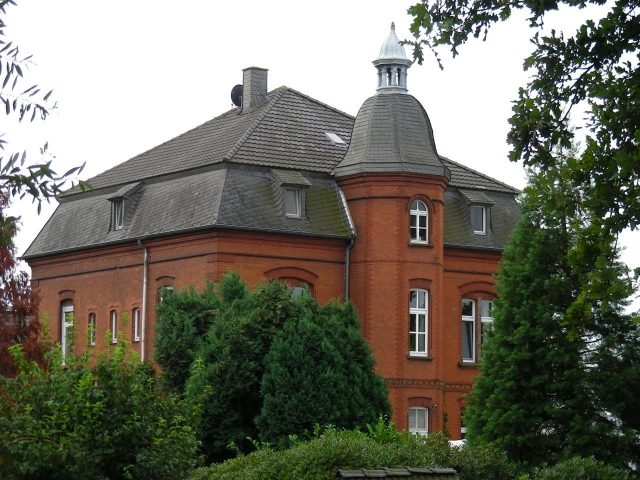
The Historic Manor House: A Journey Through Time+
From Medieval Origins to Renaissance Splendor+
The history of the manor house, nestled in the picturesque landscape of the Rhine Valley, dates back to the 12th century. Originally a medieval fortress, it served as a strategic outpost for local nobility. The earliest documented mention of the "Castrum Rhenus" appears in a charter from 1187, detailing its role in regional conflicts and trade route protection.
During the 14th century, the fortress underwent significant transformations. What was once a purely defensive structure began to incorporate residential elements, reflecting the changing needs and aspirations of its owners. The thick stone walls were pierced with larger windows, and rudimentary living quarters were expanded into more comfortable chambers.
The true architectural renaissance, however, occurred in the 16th century under the patronage of the influential von Hohenstein family. Inspired by Italian Renaissance ideals, they commissioned renowned architects to convert the medieval fortress into a magnificent manor house. This period saw the addition of elegant facades, ornate gables, and spacious courtyards, transforming the austere stronghold into a symbol of wealth and refinement.
Architectural Features and Interior Design+
The manor house is a remarkable example of Renaissance architecture, seamlessly blending defensive elements with residential grandeur. Its most striking feature is the central courtyard, surrounded by arcaded walkways and adorned with a meticulously maintained fountain. The facades are characterized by their symmetrical arrangement of windows, decorative pilasters, and intricate stone carvings depicting mythological scenes and family crests.
Inside, the manor house boasts a wealth of historical details. The grand hall, with its soaring ceilings and monumental fireplace, was once the setting for lavish banquets and receptions. Original frescoes, though faded by time, still hint at the vibrant artistry that once adorned the walls. The private chambers, while more modest in scale, feature finely crafted wooden paneling and period furniture, offering a glimpse into the daily lives of its former inhabitants.
A particularly noteworthy feature is the chapel, located in the east wing. Consecrated in 1580, it houses a stunning altarpiece attributed to a master of the Cologne School and features stained-glass windows depicting biblical scenes. The chapel served as a private place of worship for the family and their household, underscoring the deep religious convictions of the era.
The Manor House Through the Centuries+
Over the centuries, the manor house passed through the hands of several noble families, each leaving their mark on its architecture and history. In the 18th century, under the von Lindenfels family, minor Baroque alterations were made, including the addition of a formal garden and some interior decorative elements. These changes, however, respected the original Renaissance character of the building.
The 19th century brought a period of decline, as the manor house struggled to adapt to changing economic and social conditions. It was briefly used as an administrative building and later as a school, leading to some insensitive modifications that obscured its historical integrity. Fortunately, a comprehensive restoration effort in the early 20th century, initiated by a private foundation, reversed much of this damage, meticulously restoring the building to its Renaissance splendor.
During World War II, the manor house miraculously escaped significant damage, serving as a temporary refuge for displaced families. After the war, it was briefly occupied by Allied forces before being returned to private ownership. These later periods, while less architecturally impactful, add further layers to the rich tapestry of the manor house's history.
Current Status and Future Prospects+
The manor house is currently in private ownership and cannot be visited.
Take Mobile History with you
You are reading this text for free. Premium adds what matters on the road: descriptions read aloud, sites found through your camera, whole regions taken offline.
- Every description, including the ~17,700 Premium sites
- Audio guide: have descriptions read to you on location
- AR finder: see sites through your camera, with distance and bearing
- Unlimited saved sites
14 days free, then from €2.99 a month. Cancel anytime.
Source: Wikipedia · Licence: CC BY-SA 4.0
This description draws on the facts documented in the linked Wikipedia article; Wikipedia content is licensed under CC BY-SA 4.0. Wording and editing: Mobile History.
Location: 51.3346, 6.4243