Vineyard
CastleLamarque
Château de Lamarque
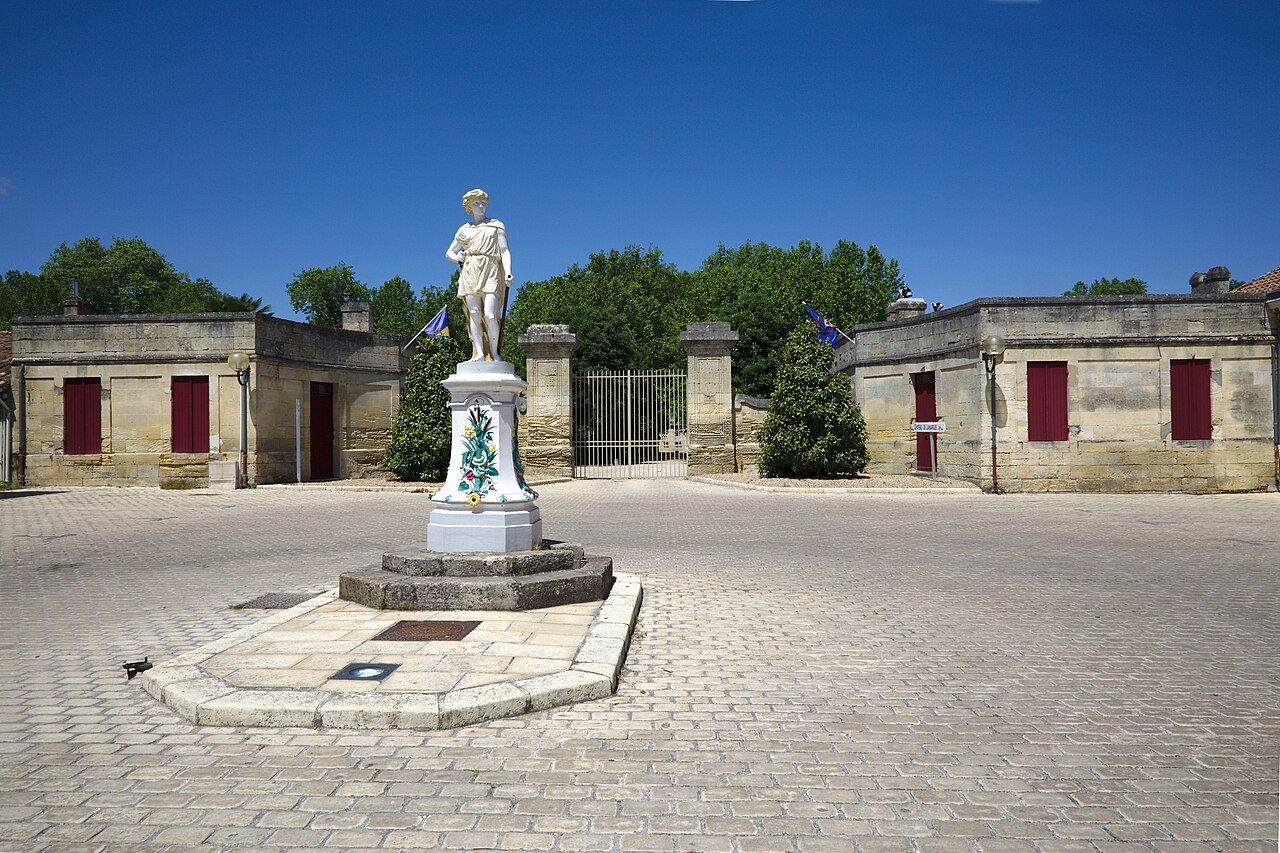
Château de Lamarque is a 35-hectare wine estate in the Médoc, located in Lamarque, Gironde. It is a Haut-Médoc AOC and a member of the Union des Grands Crus de Bordeaux.
History of the Estate+
The seigneury of Lamarque was so named because it was a "march" (borderland) of Guyenne. With the fortresses of Lesparre to the north and Blanquefort to the south, the fortified castle of Lamarque had to defend the Médoc territory against Viking invasions coming via the Gironde. The foundations, part of the defenses, and the chapel date from the 11th and 12th centuries. Around the primitive fortress, Pons de Castillon built, in the 14th century, the castle as it is seen today with a keep, defensive tower, postern, rampart walk, and crenellated walls. The Duke of Gloucester and Henry V stayed there during the time when Aquitaine was under the English crown. When this province returned to the King of France in 1453, Château de Lamarque was the residence of several governors of Guyenne, notably Marshal de Matignon. In the 17th century, the Duke of Epernon made some transformations in the style of his era; Monsieur de Brassier was its last owner before the Revolution. Sold as national property to Messrs. Pope Ciard, they resold it to Antoine de Sauvage in 1825, who entrusted the property to the manager Pierre Bernadet. Once the troubles of the revolution had passed, Château de Lamarque began to develop its wine-growing activity. From its military function, Château de Lamarque transformed into a wine estate. In 1841, Pons, Count of Fumel, acquired Château de Lamarque. The descendants of Pons de Fumel are still the owners of the estate.
Fountain+
The monument, located on the square in the center of the village, consists of an octagonal base supporting the statue of an ephebe holding a sickle and a staff. The entire structure, made of cast iron, is placed on a limestone ashlar step. Decorative tablets adorn the 4 main faces with motifs of reeds, lilies, and snakes. The installation date of the monument is unknown. The model of the aedicule comes from the Société Anonyme des Hauts-Fourneaux et Fonderies du Val-d'Osne, created in 1836. It is an allegory of Summer conceived by Mathurin Moreau. The sculptor represented Ceres, goddess of agriculture and harvests, in the guise of a young boy dressed in ancient style.
The Terroir+
Departmental archives attest to the presence of vines in Lamarque since the 15th century. Production was for the exclusive consumption of the lord. The geological map of the Château de Lamarque vineyards, as well as historical maps of the Médoc from the late 17th century (L'Anonyme) and 18th century (Belleyme 1785), attest to the excellence of the Lamarque terroir.
Winemaking and Aging+
Château de Lamarque also produces a second wine: D de Lamarque.
Vintages+
Notes and References+
Related Articles+
Haut-Médoc Vineyard
External Links+
Official website of Château de Lamarque Official website of the Union des Grands Crus de Bordeaux Portal of Vine and Wine Portal of Gironde
Take Mobile History with you
You are reading this text for free. Premium adds what matters on the road: descriptions read aloud, sites found through your camera, whole regions taken offline.
- Every description, including the ~17,700 Premium sites
- Audio guide: have descriptions read to you on location
- AR finder: see sites through your camera, with distance and bearing
- Unlimited saved sites
14 days free, then from €2.99 a month. Cancel anytime.
Source: Wikipedia · Licence: CC BY-SA 4.0 · Image: PA / CC BY-SA 4.0 via Wikimedia Commons
This description draws on the facts documented in the linked Wikipedia article; Wikipedia content is licensed under CC BY-SA 4.0. Wording and editing: Mobile History.
Location: 45.1000, -0.7180